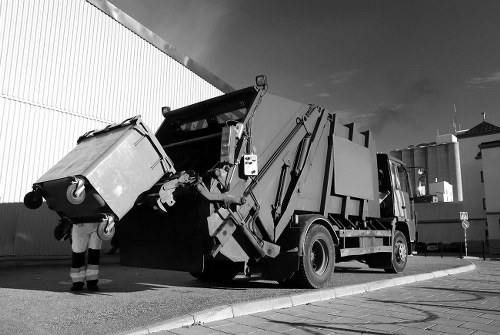
Health and Safety Policy — Yiewsley Skip Hire
This Health and Safety policy describes the commitment of Yiewsley Skip Hire and affiliated skip hire services to maintain safe operations across all rubbish removal and waste collection activities. The policy applies to management, drivers, operatives and contractors involved in skip hire, waste transfer and site clearance within our service area. Our aim is to provide reliable skip hire and professional rubbish removal while preventing incidents, reducing risk and promoting continuous improvement.
We recognise that effective safety performance is essential to delivering quality skip hire services. Responsibilities are allocated clearly: senior management ensure resources and oversight; supervisors implement procedures; employees follow safe systems of work and report hazards. This document sets out general duties, operating controls, and monitoring procedures to support a safe working environment for both staff and the public around skip hire operations, including on-site deliveries and roadside placements.
Scope and Objectives
The policy covers all aspects of our rubbish company operations — from waste collection and skip placement to transport and disposal. Objectives include minimizing accidents, ensuring compliance with statutory requirements, and maintaining safe vehicles and equipment. We aim to: prevent injury, protect health, and safeguard the environment during every skip hire job, whether domestic clearances or commercial waste removal.Risk Assessment and Safe Systems
Risk assessments will be conducted for routine and non-routine tasks, including manual handling of waste, loading/unloading skips, vehicle marshalling and working near traffic. Controls include safe systems of work, traffic management plans for roadside deliveries, use of mechanical aids, and exclusion zones during skip loading. Assessments are reviewed after any incident, change of process or introduction of new equipment.
Training, Competence and Supervision
All operatives receive induction training tailored to skip hire and rubbish removal operations. Continued training addresses manual handling, hazardous waste identification, PPE use and driver safety. Supervisors ensure staff competence and provide on-the-job supervision. We maintain written records of training and competency assessments, and encourage a culture where personnel are empowered to stop work if they believe there is a safety risk.Personal Protective Equipment (PPE) — Appropriate PPE is supplied and must be worn where required, including high-visibility clothing, gloves, safety boots and eye protection. The company enforces PPE use for skip handling, tipping, sorting and when working at roadside. PPE selection follows risk assessments and is checked regularly for serviceability. Employees are trained in correct PPE fitting and care.
Vehicles, Plant and Equipment
Vehicles and lifting gear used for skip transport and waste handling are maintained to a high standard. Pre-use checks are mandatory and defects are reported immediately. Drivers adhere to safe loading limits and secure loads properly. Equipment maintenance schedules and inspection logs are kept to ensure mechanical integrity and operational safety across the fleet of the skip hire company.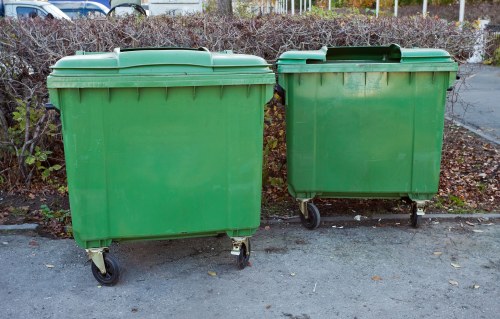
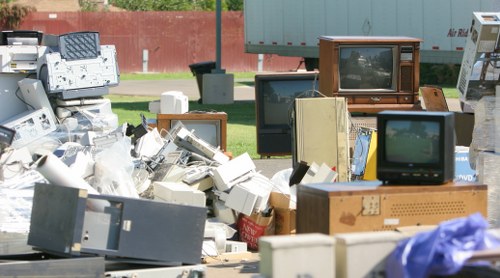
Hazardous waste is segregated and handled in accordance with accepted waste management practices. Staff are trained to recognise hazardous materials such as asbestos, chemicals and sharps and follow defined procedures for containment and reporting. When unknown or hazardous materials are identified, operations are halted and specialist removal arranged. Our rubbish collection protocols minimise cross-contamination and environmental release.

Emergency preparedness includes clear procedures for spill response, first aid and incident reporting. A designated first aider is available on sites where required and incident records are reviewed to identify improvements. We operate a no-retaliation policy for reporting near-misses and hazards; lessons learned are incorporated into training and procedures. Regular safety meetings reinforce responsibilities and communication across the team.
Monitoring, Audit and Continuous Improvement — Safety performance is monitored through inspections, audits and performance indicators such as incident frequency and vehicle defect reports. Management reviews safety arrangements annually or more frequently as needed. Corrective actions are tracked to completion and the skip hire service area adopts innovations that demonstrably improve safety and compliance.
Responsibilities and Behaviour — All employees must work safely, use controls provided and report hazards. Line managers must enforce rules, provide resources and investigate incidents. Contractors must comply with this policy and provide evidence of competence before undertaking work. The organisation promotes a cooperative approach to safety that prioritises people and the environment over expediency in waste handling operations.
Review and Adoption — This policy is reviewed periodically to reflect changes in operations, legislation and best practice in skip hire, rubbish removal and waste handling. It is endorsed by senior management and forms part of our operational standards for safe, responsible and sustainable skip hire and waste collection services. All staff must familiarise themselves with and act in accordance with this policy.