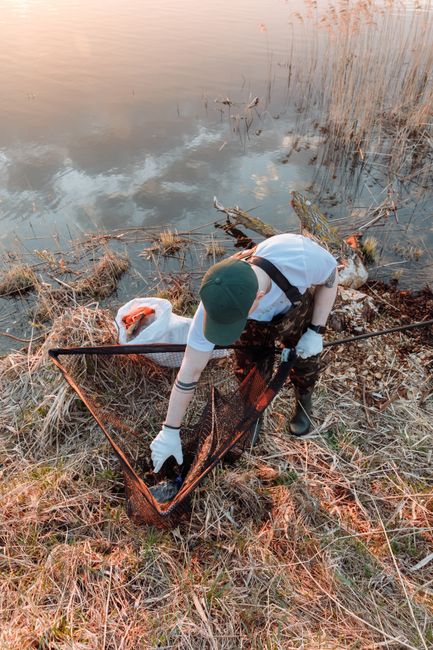
Garden rubbish removal Lake Farm Country Park Yiewsley: a practical guide to clearing outdoor waste the smart way
If you are dealing with a pile of hedge cuttings, broken fence panels, soil, ???ched branches, or that awkward heap of green waste that keeps growing every weekend, garden rubbish removal in Lake Farm Country Park Yiewsley can make a very real difference. It is not just about making the space look neat. It is about clearing safely, saving time, and getting outdoor waste handled properly without turning your driveway, pathway, or patio into a mess.
In this guide, we will look at how garden waste removal works, when it makes sense to book a collection, what can usually be taken away, and how to choose the most sensible method for your property or project. You will also find a checklist, a comparison table, and a few practical tips from real-world garden clearances. To be fair, most people do not think much about rubbish removal until the pile gets in the way. Then it is all you can see.
Whether you are tidying after pruning, clearing an overgrown plot, or preparing a property for sale, the aim is the same: get the garden back to being a garden.
Why Garden rubbish removal Lake Farm Country Park Yiewsley Matters
Outdoor waste is a bit different from general household clutter. Green waste can be bulky, muddy, spiky, damp, and surprisingly heavy once it starts to pile up. A few bags of clippings sound harmless. Then you add hedge trimmings, old turf, roots, broken pots, and maybe a dead shrub or two, and suddenly you have a proper job on your hands.
In a local area like Lake Farm Country Park Yiewsley, garden rubbish removal matters for a few practical reasons. First, it keeps homes and shared spaces tidy. Second, it helps reduce trip hazards and pest issues. Third, it saves you from repeated journeys to a tip or recycling centre, which can be especially annoying if you have no suitable vehicle. And fourth, it helps make sure materials are sorted and disposed of in line with accepted UK waste-handling practices.
There is also the timing factor. Spring and summer often bring burst after burst of garden work: pruning, mowing, cutting back, clearing winter debris, and the inevitable "I'll do the back corner later" moment. That later usually becomes months. Garden rubbish removal is the clean reset button.
If your project is more than a quick tidy-up, it may be worth looking at related support such as garden waste removal, general rubbish removal, or even site clearance if the outdoor area is heavily overgrown or being prepared for larger works.
Expert summary: Garden rubbish removal works best when you treat it as a planning task, not just a lifting task. Sort early, separate the waste, and choose a collection method that fits the size and access of the job.
How Garden rubbish removal Lake Farm Country Park Yiewsley Works
The process is usually straightforward, but the best outcomes come from a bit of prep. Most garden waste collections start with an assessment of what needs removing, how much there is, and whether access is easy enough for a van, grab vehicle, or skip to reach the property.
For smaller clear-outs, a man-and-van style collection can be a tidy solution. For larger amounts of soil, rubble, branches, or mixed outdoor waste, other methods may be more efficient. Some customers prefer skip hire if the waste will be generated over a few days. Others want everything loaded and gone in one go. That is where options such as man and van, grab lorry hire, or wait and load skip hire can be worth comparing.
A typical collection will involve:
- Identifying the garden waste types and quantity.
- Checking whether anything needs special handling.
- Choosing a removal method based on access, volume, and urgency.
- Loading the waste safely and separating recyclable material where possible.
- Transporting it to an appropriate waste facility or transfer site.
The key thing is that not all garden waste is equal. Grass cuttings are easy. Large branches, tree roots, fencing, old sleepers, and bags of wet soil are another story. If you have mixed waste, ask in advance how it will be handled. Saves faff later.
If you are trying to decide between collection methods, it can help to review skip hire alongside skip sizes and prices and, if access is tight, skip permits or skip permits. The right choice depends less on what sounds easiest and more on what actually fits your space.
Key Benefits and Practical Advantages
There is a strong practical case for professional garden rubbish removal, especially when the job is bigger than a couple of bin bags.
- Less physical strain: Heavy sacks of soil and cuttings add up fast, and no one enjoys that awkward lower-back twist after bag number seven.
- Cleaner outdoor space: Removing waste properly restores usable space for planting, entertaining, or simply sitting down with a cup of tea.
- Faster project completion: A tidy site lets you move from cutting back to actually enjoying the garden.
- Better sorting: Green waste, timber, rubble, and general rubbish can be separated for smarter disposal and recycling.
- More predictable logistics: Collection services reduce trips, loading time, and the need to borrow a trailer or van.
Another often-overlooked advantage is peace of mind. If you have ever had a garden full of half-filled bags waiting for "the next nice day," you will know how quickly a manageable job becomes a nagging one. Getting it cleared can feel oddly satisfying. Not glamorous, but satisfying.
For customers who want to reduce waste and support better material recovery, it may also be worth reading about recycling and sustainability and waste recycling services. Garden waste often has a better afterlife than people assume, provided it is sorted correctly.
Who This Is For and When It Makes Sense
Garden rubbish removal is useful for a wide range of people, not just homeowners doing a one-off tidy-up. In practice, it suits anyone who needs the outdoor area cleared efficiently and responsibly.
Homeowners and tenants
If your garden has become cluttered with cuttings, broken planters, old outdoor furniture, or bundled branches, a removal service can save a long weekend of lifting, bagging, and sorting.
Landlords and letting agents
End-of-tenancy garden clearances often need to be quick. The property may need to look presentable for viewings, snagging, or new occupants, and there is not much room for delay.
Gardeners and landscapers
After a heavy cut-back or redesign, professional waste removal keeps the job moving. Gardeners often use it to avoid leaving piles on site while they continue with planting or hard landscaping.
Property managers and businesses
Communal grounds, frontage areas, and commercial outdoor spaces generate waste too. In those cases, services aligned with commercial skip hire or broader commercial waste options can make more sense.
When it makes sense
- After pruning hedges or trees
- When clearing an overgrown garden
- Before selling or letting a property
- After a landscaping project
- When old decking, sleepers, or fencing need removing
- When soil, turf, or rubble is too much for normal bins
If the job is mixed with loft clutter, garage clutter, or indoor clear-out waste, you may find a combined approach more efficient. Services like garage and loft clearance or house clearance can help if the outdoor work is part of a larger declutter. That happens more often than people think.
Step-by-Step Guidance
Here is a practical way to approach garden rubbish removal without making it more complicated than it needs to be.
- Walk the garden first. Look at what is actually there. Separate green waste from timber, soil, rubble, and general household rubbish.
- Estimate the volume. A few bags, a small pile of branches, or a full clear-out? This affects whether a collection, skip, or grab service is better.
- Check access. Can a vehicle get close to the waste? Are there narrow paths, steps, gates, or low walls to think about?
- Remove restricted items. Anything hazardous, such as paint tins, chemicals, asbestos, or gas canisters, should be dealt with separately through suitable channels.
- Choose your method. For some jobs, rubbish removal is simplest. For others, a skip or grab hire services approach may be more efficient.
- Pack waste sensibly. Place lighter green waste together, keep branches manageable, and don't create hidden hazards with sharp offcuts.
- Book the collection. Try to avoid leaving waste out in the rain if you can help it. Wet material gets heavier. Much heavier.
- Clear the access route. Move cars, bins, bikes, and plant pots out of the way so loading is smooth and safe.
If you are using a skip, always check guidance on what can go in a skip. Garden waste is often fine, but mixed loads may need care depending on the contents. Soil and turf can also be surprisingly dense, so fill space wisely rather than just throwing everything in one direction and hoping for the best.
Expert Tips for Better Results
A good garden clearance is not just about removal. It is about making the waste easier to handle in the first place.
- Cut long branches down early. Long lengths waste space and are awkward to load.
- Keep green waste dry if possible. Wet cuttings and damp soil become much heavier and harder to shift.
- Separate reusable materials. Some timber, pots, edging, or fixtures may be reused or stored rather than binned.
- Bundle thorny or spiky material carefully. Rose clippings and bramble can be a nasty surprise through thin bags. Gloves help. Obvious, but worth saying.
- Plan around access times. If a vehicle needs to block a driveway or shared entrance briefly, let neighbours know in advance.
- Think about the finish, not just the removal. Once the waste is gone, a quick sweep and rake can make the whole area feel transformed.
One small but useful trick: if you are working over several days, create a "keep" zone and a "remove" zone. It sounds basic because it is. Yet it stops people accidentally loading the wrong pile, which happens more than most admit.
When space is limited or timing is tight, a same-day service can be practical. Have a look at same day skip hire if your project needs rapid turnaround rather than a slow, drip-feed approach.
Common Mistakes to Avoid
Garden waste looks simple until it is not. These are the mistakes that most often cause delays, extra cost, or frustration.
- Mixing garden waste with restricted items: Paint, solvents, gas bottles, and other hazardous waste need special handling. Do not sneak them in.
- Underestimating weight: Soil, turf, and wet hedge cuttings can weigh far more than they look.
- Ignoring access issues: A service cannot work efficiently if vehicles cannot get near the waste or if the route is blocked.
- Filling the wrong container: Some loads suit a skip, others suit a grab lorry or man-and-van collection.
- Leaving sorting until collection day: That usually turns a simple job into a slightly chaotic one.
- Forgetting permits or placement rules: If a skip needs to go on a public road, permits may be required depending on the location and arrangement.
Let's face it, nobody enjoys paying for avoidable mistakes. The simplest way to avoid them is to pause for five minutes before the first bag is filled and ask: what am I clearing, how much is there, and where is it going?
Tools, Resources and Recommendations
You do not need specialist equipment to start organising a garden clearance, but the right tools make a big difference.
| Option | Best for | Strengths | Things to watch |
|---|---|---|---|
| Man and van | Smaller or mixed garden clearances | Flexible, quick, useful for awkward access | May be less suitable for very heavy soil loads |
| Skip hire | Ongoing garden projects | Convenient for phased work, easy to fill at your pace | May need space or permit arrangements |
| Grab lorry | Large, bulky, or heavy waste | Excellent for branches, soil, and larger piles | Needs practical access for collection |
| Wait and load | Quick clear-outs | Fast, tidy, no long-term container on site | Requires you to have the waste ready when the vehicle arrives |
For many garden jobs, the deciding factor is not just volume. It is access. A narrow side return, a terraced property, or a shared driveway can make one method much better than another. That is where a short conversation before booking saves time later.
If you want to compare practical options, browse skip hire, wait and load skip hire, and grab lorry hire. If your project is more than just garden waste and includes heavy materials too, it may also be useful to review builders waste removal or construction waste disposal.
Law, Compliance, Standards, or Best Practice
Garden rubbish removal should follow normal UK waste duty-of-care principles. In plain English, that means waste should be handled by a legitimate carrier, taken to an appropriate facility, and kept separate from anything hazardous or restricted where necessary.
There is no need to overcomplicate this, but there are a few sensible best practices:
- Do not mix hazardous items with green waste.
- Use a reputable waste carrier. Responsible operators should be able to explain how the waste is collected and processed.
- Separate recyclable material where possible. This supports more efficient recovery and reduces contamination.
- Be careful with protected or sensitive sites. Around parks, pathways, or shared access points, keep loading tidy and avoid spillages.
- Follow permit rules where relevant. If a skip sits on public land, the placement may require permission depending on circumstances.
For readers who want extra reassurance about how a provider handles the basics, pages such as health and safety policy, insurance and safety, and payment and security can be useful trust markers when choosing a service. That is not paperwork for the sake of it. It tells you the operator takes the job seriously.
Options, Methods, or Comparison Table
There is no single best method for every garden. The right choice depends on waste type, quantity, timing, and access. Here is a simple comparison to help you think it through.
| Method | Ideal scenario | Pros | Cons |
|---|---|---|---|
| Garden rubbish removal collection | You want a quick clear-out with minimal effort | Convenient, practical, no container left behind | May be less suitable for phased jobs |
| Skip hire | You are working across several days or weekends | Flexible, steady, good for ongoing projects | Space and permit considerations may apply |
| Grab hire | You have large, heavy, or awkward waste | Fast loading, efficient for soil and branches | Needs access and a sensible stacking layout |
| Wait and load | You already have the waste ready to go | Quick turnaround, no long on-site storage | Less flexible if the job is not prepared |
In practical terms, if you are clearing a small urban garden in Yiewsley, man-and-van may be enough. If you are tackling a heavily overgrown plot with roots and cut timber, grab hire often makes more sense. And if you are doing the work gradually over a fortnight, skip hire can be the least stressful option. Simple really. Well, mostly.
Case Study or Real-World Example
Here is a realistic example based on the sort of job people often face around Lake Farm Country Park Yiewsley.
A homeowner had a back garden that had been left for months after hedge cutting, border clearing, and a small fencing repair. The waste included bags of green clippings, a stack of trimmed branches, old timber offcuts, a few broken pots, and some general rubbish from the shed corner. Nothing dramatic, just one of those jobs that quietly grows legs.
At first, the plan was to fill the council bins and do a few trips in a car. After one look at the amount of material, they realised that would mean multiple loads, muddy boot mats, and a sore back. Instead, they separated the green waste from the timber and general rubbish, checked access to the side gate, and chose a removal method that allowed everything to go in one visit.
The result was immediate. The patio was usable again, the lawn edge could be seen properly, and the whole space looked bigger. More importantly, the family could actually use the garden without stepping around piles of bags. That feeling of getting your space back is hard to beat, honestly.
If the same garden had also included heavy soil and turf from a re-turfing job, a grab-based solution or a mixed-waste collection would likely have been more efficient. It comes down to matching the method to the material, not guessing and hoping.
Practical Checklist
Use this quick checklist before booking or starting your garden rubbish removal.
- Walk the garden and identify every waste type.
- Separate green waste, timber, soil, rubble, and general rubbish.
- Remove hazardous or restricted items for separate handling.
- Measure access through gates, side paths, or driveway space.
- Decide whether you need same-day, planned, or phased removal.
- Check whether a skip, grab lorry, wait-and-load, or van collection is the best fit.
- Review what can go in a skip if that method is being considered.
- Keep the load area clear and safe for collection.
- Ask about recycling and disposal handling where relevant.
- Book early if the work is weather-dependent or tied to a deadline.
One small note: if you are dealing with a few awkward items such as old appliances, a mattress from the shed, or a broken outdoor unit, it is better to mention them upfront. That way the collection method is chosen correctly the first time. Less back-and-forth, fewer surprises.
Get a free quote today and see how much you can save.
Conclusion
Garden rubbish removal Lake Farm Country Park Yiewsley is ultimately about making outdoor life easier. Whether you are clearing a small pile of hedge cuttings or taking on a full garden reset, the right disposal method saves time, reduces stress, and helps you finish the job properly.
The best results usually come from a simple process: sort the waste, think about access, choose the most suitable removal method, and avoid mixing in items that need separate treatment. Do that, and the job becomes much smoother. It is one of those tasks that feels heavy at the start and strangely light at the end.
If you are ready to clear the clutter and get your garden back, the next step is straightforward: pick the option that matches your waste, your access, and your timing. The rest tends to fall into place.
Frequently Asked Questions
What is included in garden rubbish removal?
Garden rubbish removal typically includes green waste such as grass cuttings, hedge trimmings, branches, leaves, weeds, small plants, and sometimes other outdoor clutter like old pots or broken garden items, depending on the service and waste mix.
Can soil and turf be removed with garden waste?
Yes, but soil and turf are much heavier than ordinary green waste. They may be better handled through a method suited to dense material, such as grab hire or a mixed-waste collection, rather than assuming a standard light-load approach will be enough.
Do I need a skip permit for garden rubbish removal?
Not always. It depends on where the container is placed. If a skip sits on private property, a permit may not be needed. If it needs to go on a road or other public space, permit rules may apply. It is wise to check before booking.
Is wait and load better than skip hire for garden waste?
It depends on the job. Wait and load is useful if you want waste removed quickly and do not want a container sitting outside. Skip hire is often better if the garden work will happen over several days and you want somewhere to keep adding waste.
Can garden rubbish removal take broken fences and timber?
Often yes, but it depends on how the waste is classified and whether it is clean timber or mixed with other material. Long fence panels and heavy timber offcuts are usually easier to remove when they are stacked neatly and discussed in advance.
What should I not put in garden waste?
Do not put hazardous items with garden waste. That includes paint, chemicals, gas canisters, asbestos, and similar restricted materials. Some services also ask that you separate certain non-garden items such as electricals or bulky household waste.
How do I choose between man and van, skip hire, and grab hire?
Think about waste volume, weight, access, and timing. Man and van suits smaller or more flexible jobs. Skip hire suits ongoing clearances. Grab hire is often best for heavy or bulky waste, especially if there is a large pile and decent access.
Is same-day garden rubbish removal possible?
Sometimes, yes, if capacity and scheduling allow it. Same-day options are often best for urgent clearances, post-gardening clean-ups, or jobs that need finishing before a deadline. It is usually worth asking early in the day.
Will my garden waste be recycled?
Where possible, garden waste is usually sorted for recycling or recovery. Green waste can often be processed separately from mixed rubbish, which is why sorting and clean loading make such a difference.
What is the easiest way to prepare for collection?
Separate the waste into piles, keep access clear, and flag any awkward items before the team arrives. If you can tell at a glance what needs taking away, the collection tends to go faster and smoother. A bit of prep saves a lot of hassle.
Can I book garden rubbish removal if my garden is hard to access?
Yes, but access should be discussed up front. Narrow side passages, steps, locked gates, and shared access routes can affect the best removal method. In some cases, a smaller vehicle, man-and-van collection, or wait-and-load approach may be the cleaner solution.
What if my clearance is part of a bigger property project?
If your garden work is linked to a wider refurbishment or emptying project, you may need a broader service such as domestic skip hire, builders skip hire, or site clearance. That keeps the waste strategy aligned with the actual job, not just one part of it.